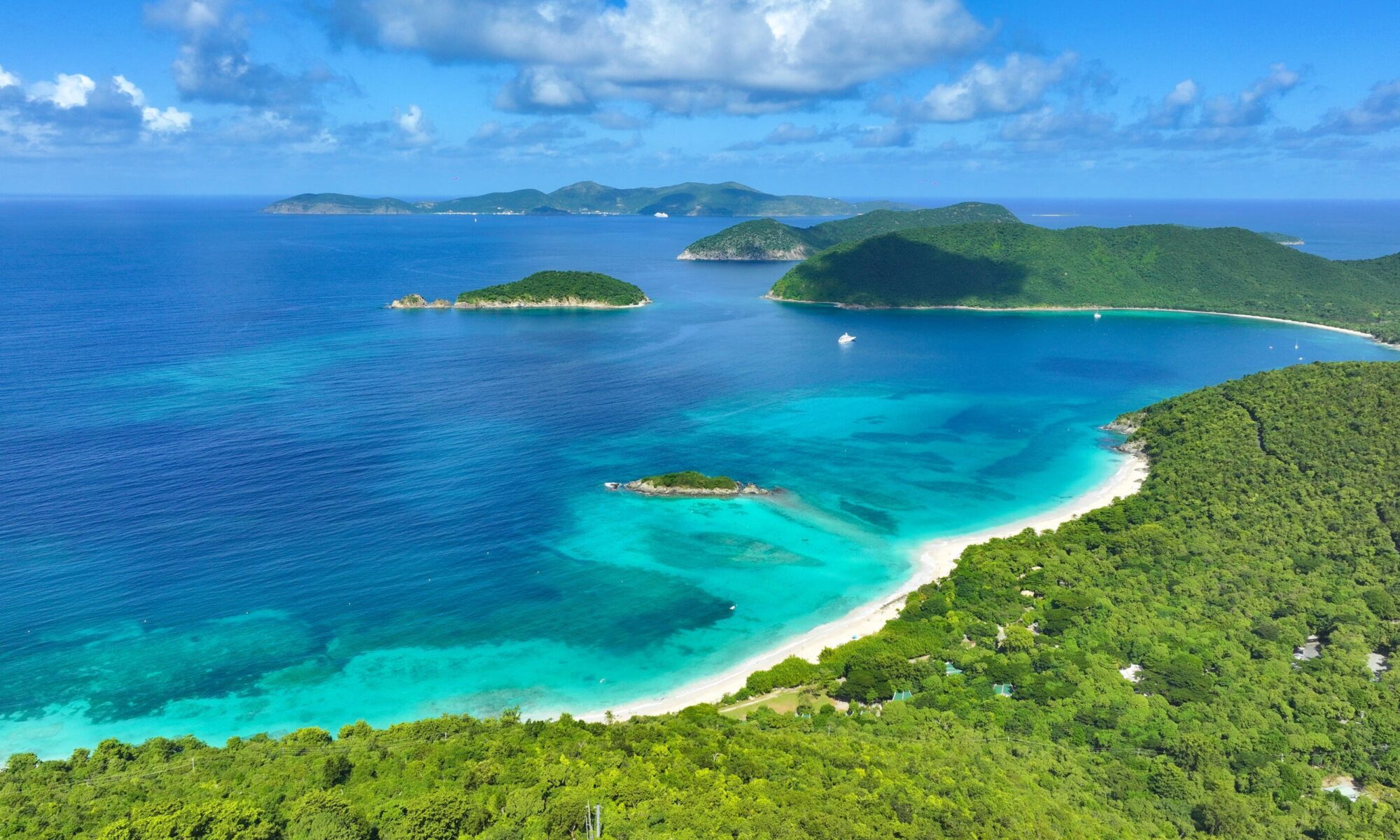
The U.S. Virgin Islands real estate market has entered a new phase. The frenetic bidding wars of 2022–2023 have subsided, replaced by a more measured marketplace where informed buyers have the advantage. Yet while the pace has steadied, the complexity hasn’t diminished—particularly for those accustomed to mainland transactions.
The 2026 USVI market is defined less by purchase price volatility and more by the fundamentals that determine true cost of ownership: infrastructure reliability, insurance availability, and the often-underestimated expenses that follow closing day. This guide addresses what matters most for buyers navigating the territory’s distinctive real estate landscape.
The USVI Purchase Process: Where Island Reality Differs from Mainland Expectations
The Virgin Islands operates as an attorney-closing jurisdiction, a critical distinction that shapes the entire transaction timeline and cost structure. Unlike most mainland states where title companies manage closings, USVI law requires licensed local attorneys to review title and prepare closing documents.
Key Transaction Differences
| Step | Mainland Norm | USVI Reality 2026 |
| Representation | Agents often handle contracts. | Mandatory Attorneys. You need a local real estate attorney to review title and draft the closing statement. |
| Earnest Money | 1–3% of purchase price. | Higher Stakes. Expect to put down 5% to 10% upon signing the Contract of Sale to be taken seriously, especially for luxury properties |
| Due Diligence | Standard home inspection. | Cistern & Structural. You must inspect the cistern (water quality/leaks) and septic system. “As-Is” clauses are standard; credits for repairs are rare unless structural. |
| Closing Timeline | 30–45 days. | 60–90 Days. “Island time” is real but bureaucratic. Government processing for deed recording can take months, though you take possession at closing. |
Legal Representation: Attorney involvement is standard practice in USVI transactions and serves as essential protection for navigating title complexities, territorial regulations, and unexpected issues that arise during closing. Given the significant investment at stake and the territory’s unique legal landscape, assembling a strong team—experienced realtor and local attorney—helps ensure your transaction reaches closing smoothly and protects your interests throughout the process.
Earnest Money Norms: While mainland buyers typically deposit 1–3% of the purchase price, USVI sellers expect 5–10% upon contract signing, particularly for luxury properties. This heightened commitment threshold reflects market norms and demonstrates seriousness in competitive situations.
Due Diligence Requirements: Standard home inspections remain important, but USVI properties require specific attention to cistern integrity, water quality, and septic systems. “As-is” sale clauses are standard practice, with repair credits granted rarely and typically only for structural issues that affect financing or insurability.
Timeline Realities: Plan for 60–90 day closings rather than the mainland’s typical 30–45 days. Government processing for deed recording operates on island time, though buyers receive possession at closing regardless of when recording completes.
Financing Considerations
Buyers planning to finance should work with local mortgage brokers who specialize in USVI transactions, firms like: Virgin Bay Mortgage, Leeward Mortgage, North Point, and First Liberty. These local specialists have established relationships with lenders who understand the territory’s unique appraisal requirements, title complexities, and legal infrastructure. While some mainland lenders can handle USVI transactions, working with brokers who navigate these deals regularly helps avoid complications that can delay or derail closings.

Transaction Costs: The Stamp Tax Reality
Closing costs in the USVI significantly exceed mainland norms, driven primarily by the Stamp Tax (also called Transfer Tax). By local custom, buyers pay this tax, though the allocation can be negotiated.
2026 Stamp Tax Structure
| Property Value | Tax Rate | Estimated Cost |
| Up to $350,000 | 2.00% | Max $7,000 |
| $350,001 – $1,000,000 | 2.50% | $8,750 – $25,000 |
| $1,000,001 – $5,000,000 | 3.00% | $30,000 – $150,000 |
| Over $5,000,000 | 3.50% | $175,000+ |
Beyond stamp tax, expect:
- Title Insurance: 0.6–0.8% of purchase price (strongly recommended given historical title complexities)
- Recording Fees: $100–$300
- Survey Costs: $1000–$2,000 (often required; boundary markers frequently shift due to vegetation)
For a $1.5 million property, closing costs typically total $65,000–$85,000 before considering prorated property taxes, HOA assessments, or pre-paid insurance premiums.
The Real Cost of Ownership: Infrastructure and Insurance
Purchase price and closing costs represent only the entry point. Long-term ownership viability depends on understanding—and accurately budgeting for—ongoing operational expenses that exceed mainland norms by substantial margins.
Electricity: The WAPA Challenge
The Virgin Islands Water and Power Authority (WAPA) operates the territory’s electrical grid, and rates remain among the highest in any U.S. jurisdiction. As of early 2026, residential rates hover between 35–43 cents per kilowatt-hour—roughly three times the U.S. average.
A planned rate reduction to approximately 17 cents/kWh has been delayed until at least June 2026 due to financial restructuring within WAPA. For buyers closing before mid-2026, this means budgeting for current high rates rather than anticipated reductions.
Practical mitigation strategies:
- Prioritize properties with existing solar arrays and battery storage systems (Tesla Powerwall or equivalent)
- Verify generator capacity, fuel type, and automatic transfer switch functionality
- Consider generators essential infrastructure, not luxury amenities—power interruptions occur regularly
Water Systems: Cistern Dependency
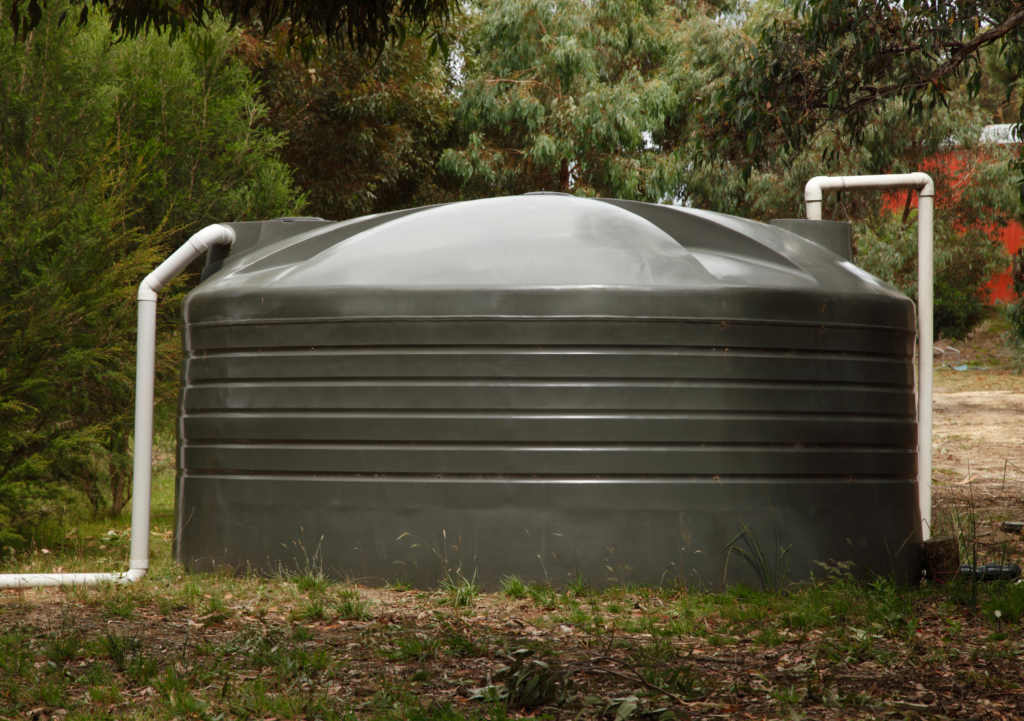
Most USVI homes operate independently from municipal water systems, relying instead on rainwater collected from roof surfaces and stored in underground cisterns. This self-sufficiency requires active maintenance and occasional intervention.
Cistern ownership realities:
- Monthly treatment with bleach to prevent bacterial growth
- Professional cleaning every 5-10 years
- Water delivery costs of $300–$500 per 3,000-gallon load during drought periods
- Inspection of cistern integrity, capacity, and filtration systems during due diligence
Insurance: The Windstorm Factor
Property insurance in the USVI bifurcates into standard coverage (general liability/fire) and windstorm coverage, with the latter representing the significant expense and ongoing challenge.
The USVI windstorm insurance market operates in what the industry terms a “hard” market—characterized by high premiums, limited capacity, and reduced competition as insurers and reinsurers seek profitability in less hurricane-prone regions. While windstorm coverage is not legally mandated by territorial law, mortgage lenders almost universally require it, making it effectively mandatory for financed purchases.
Windstorm insurance realities for 2026:
- Premium Range: Annual premiums typically run 1.35–2% of replacement cost (not market value), with rates varying based on construction type and mitigation features
- Deductibles: Windstorm deductibles remain high, typically 2–5% of insured value
- Construction Impact: Concrete (masonry) construction commands significantly lower premiums than wood-frame or mixed-construction properties. Wooden structures face particular difficulty obtaining coverage as reinsurers consider them high-risk
- Coverage Scarcity: Market capacity has contracted as insurers exit the territory. The remaining carriers are limited in the total coverage they can write, driving competition for available policies
- Reinsurance Dependency: Local insurers rely heavily on reinsurance markets, where high costs and limited supply directly affect homeowner pricing and availability
- Lender Requirements: If homeowners allow coverage to lapse, lenders may force-place insurance that covers only the loan balance at substantially higher cost
- Regulatory Oversight: The Office of the Lieutenant Governor (serving as Commissioner of Insurance) has approved rate increases to help maintain coverage availability while working with insurers on market solutions
For a home with $800,000 replacement cost, annual windstorm premiums could reach $10,800–$16,000, with deductibles of $16,000–$40,000 per claim. These numbers fundamentally affect affordability calculations and should inform property selection from the outset. Concrete construction, hurricane shutters, impact-resistant windows, and other mitigation features can reduce premiums, though coverage remains expensive regardless of improvements.
Investment and Rental Income Considerations
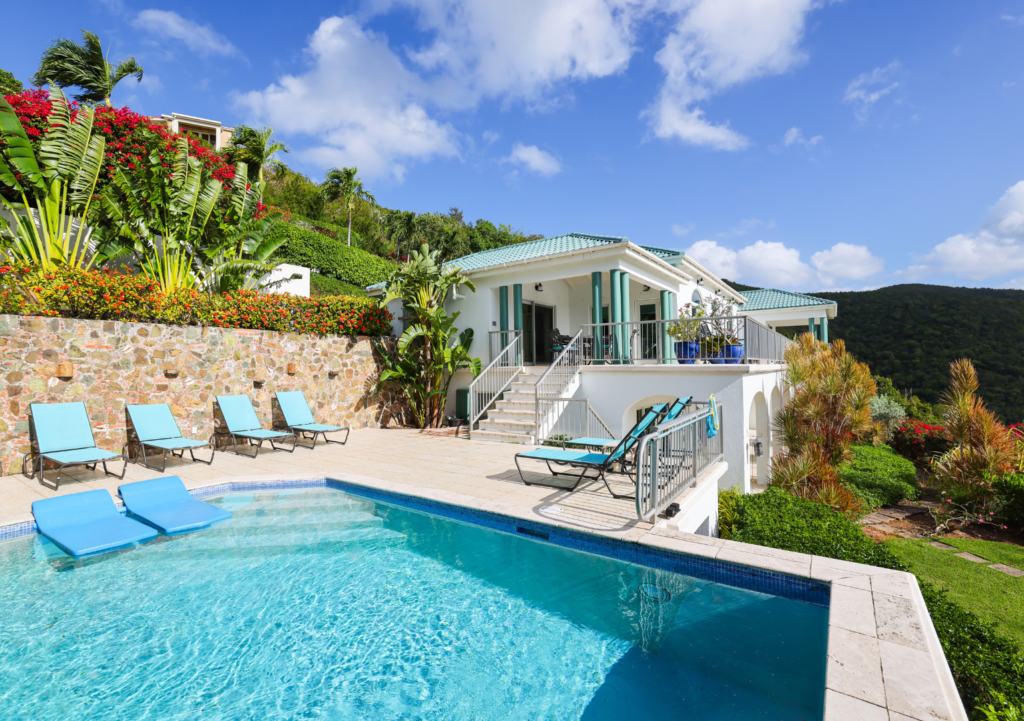
Buyers planning to generate rental income through platforms like Airbnb and VRBO must navigate specific regulatory requirements that have become stricter in recent years.
Licensing and Tax Requirements
Business Licensing: Operating a short-term rental requires a Business License from the Department of Licensing and Consumer Affairs (DLCA). Simply listing a property without proper licensing violates territorial law.
Transient Occupancy Tax: Operators must collect and remit 12.5% Hotel Tax to the USVI Bureau of Internal Revenue. While platforms like Airbnb often collect this automatically, property owners remain ultimately liable for proper remittance.
St. Croix Specific Enforcement: St. Croix has implemented stricter short-term rental enforcement in residential zones, requiring specific registration numbers to be displayed prominently on all listings. Verify zoning compliance during due diligence rather than assuming rental viability.
Island-Specific Market Characteristics
Each of the three main islands presents distinct market dynamics, construction costs, and lifestyle offerings. Understanding these differences helps align property selection with actual use patterns and investment objectives.
St. Thomas: The Commercial Hub
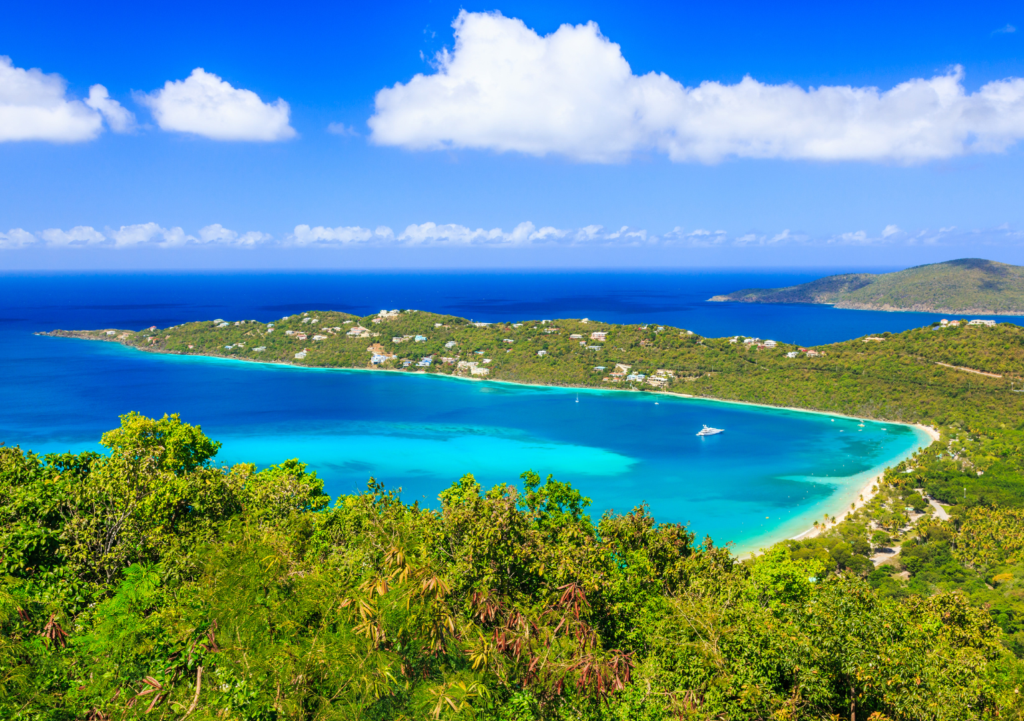
St. Thomas functions as the territory’s commercial center—busy, hilly, and offering the most convenient access to international flights, shopping, and services. Inventory levels remain highest here, providing buyers with more selection across price points.
Best suited for: Long-term residential rentals, condominium investments, commercial properties, and buyers prioritizing convenience and connectivity.
Construction costs (new build): $350–$450 per square foot
For more information on St. Thomas contact our affiliate SeaGlass Properties.
St. John: Protected Luxury
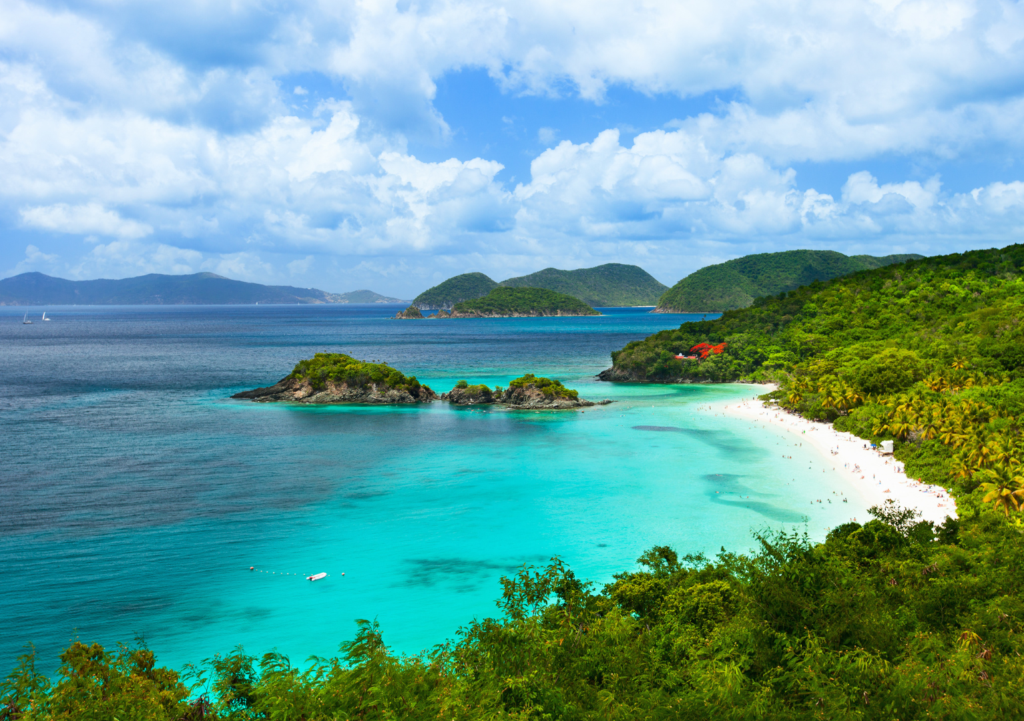
With approximately 60% of the island preserved as National Park land, St. John operates under strict development constraints that limit inventory and support premium pricing. Entry points for quality homes typically exceed $1 million, with buildable land becoming increasingly scarce.
Best suited for: High-end vacation rentals, buyers seeking privacy and natural preservation, and those willing to pay premium prices for limited supply.
Construction costs (new build): $450–$600+ per square foot (logistics of barging materials drives costs significantly higher)
St. Croix: Value and Space
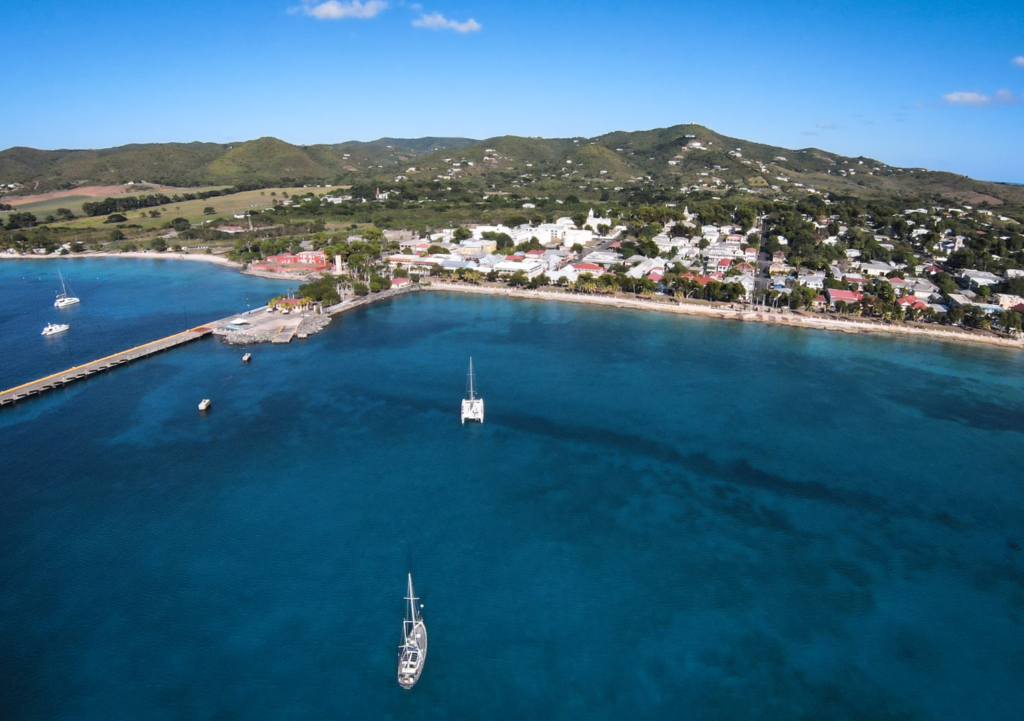
St. Croix offers flatter terrain, a more pastoral atmosphere, and prices that run 20–30% below St. Thomas for comparable properties. The island appeals to buyers seeking more land, agricultural potential, and a distinctly different pace of life.
Best suited for: Retirees, potential appreciation plays, buyers interested in farm-to-table lifestyle or equestrian properties, and those prioritizing value over convenience.
Construction costs (new build): $300–$400 per square foot
For St. Croix real estate inquiries, contact our affiliate Sea Glass Properties or visit their office at 7 King Street, Christiansted, St. Croix, VI 00820.
Your 2026 Pre-Purchase Checklist
Before committing to any USVI property, verify these critical elements:
Flood Zone Verification: FEMA maps have been updated recently. Confirm your prospective property’s flood zone designation, as new high-risk classifications trigger expensive federal insurance requirements.
Generator Assessment: Does the property include a generator with an automatic transfer switch (ATS)? What fuel type does it use? Propane generally offers cleaner operation and easier sourcing than diesel.
Condominium Fee Analysis: St. Thomas and St. Croix condo fees range from $800 to $2,000+ monthly, driven primarily by master insurance policy windstorm premiums. Review HOA financials to ensure adequate reserves and confirm the association is fully funded.
Cistern Capacity and Condition: Verify cistern size relative to roof catchment area, occupancy patterns, and backup water sourcing options. Request recent water quality testing results.
Insurance Quote Before Closing: Obtain actual windstorm insurance quotes before finalizing purchase. Availability and pricing can vary dramatically by property characteristics, and discovering insurability issues after closing creates significant problems.
Title History Review: Given the territory’s complex property history, thorough title review by experienced local counsel is essential. Don’t skip title insurance to save money—the risk far exceeds the premium.
A Realistic Approach to USVI Property Ownership
Buying property in the Virgin Islands offers genuine lifestyle rewards—natural beauty, cultural richness, and the unique experience of island living within U.S. jurisdiction. These benefits are real, but they come with operational complexities and cost structures that differ fundamentally from mainland ownership.
Success in this market requires clear-eyed assessment of total cost of ownership, realistic expectations about infrastructure limitations, and proper preparation for the transaction process itself. Buyers who approach USVI real estate with appropriate diligence and local expertise consistently report satisfaction with their purchases. Those who underestimate the territory’s distinctive characteristics often struggle.
The 2026 market rewards preparation, patience, and partnership with experienced local professionals who understand both the opportunities and challenges of Virgin Islands property ownership.
Frequently Asked Questions About USVI Property Ownership
Can you own property in the Virgin Islands?
Yes. U.S. citizens can purchase and own property in the U.S. Virgin Islands without restriction, just as they would in any U.S. state. The territory operates under U.S. federal law regarding property ownership, title recording, and real estate transactions. Non-U.S. citizens can also own property in the USVI, though they should consult with legal counsel regarding any visa or residency implications. There are no citizenship requirements, foreign ownership restrictions, or special permits needed to purchase USVI real estate—ownership rights are the same as anywhere else in the United States.
Do you pay property taxes in the U.S. Virgin Islands?
Yes, property taxes are assessed and collected by the USVI government, though rates are generally lower than many mainland jurisdictions. Property tax rates vary by island and property type, but residential properties typically see rates between 1.00% and 1.25% of assessed value annually. The assessed value is often significantly lower than market value, which can result in surprisingly modest annual tax bills relative to purchase price. Property taxes fund local government services, schools, and infrastructure maintenance. It’s worth noting that the USVI offers various homestead exemptions and tax incentives for primary residents, which can further reduce tax obligations.
Do you pay taxes if you live in the Virgin Islands?
Yes, but with important distinctions. USVI residents pay income taxes to the Virgin Islands Bureau of Internal Revenue (BIR) rather than the IRS, though the tax code mirrors the U.S. federal tax code. If you qualify as a bona fide USVI resident (generally by living in the territory for at least 183 days per year and establishing it as your primary home), you file your federal tax return with the Virgin Islands BIR instead of the IRS.
The territory offers significant tax incentives for certain residents and businesses, particularly through programs like the Economic Development Commission (EDC), which can provide substantial tax benefits for qualifying individuals and companies. However, these programs have specific requirements and application processes. For most residential property owners using their homes as second homes or vacation rentals, standard U.S. tax treatment applies, with rental income reported on federal returns and deductions taken accordingly.

How much money do you need to live comfortably in the Virgin Islands?
Living comfortably in the USVI requires a larger budget than most mainland locations due to higher costs for utilities, insurance, groceries, and general goods. Most items are imported, which drives up everyday expenses considerably.
For a realistic baseline, plan on the following annual costs for comfortable island living:
- Housing costs (mortgage/rent, insurance, HOA fees): $36,000–$60,000+ depending on property type and location
- Utilities (electricity, water, internet, propane): $12,000–$18,000 annually (electricity alone can run $400–$800+ monthly)
- Groceries and dining: 30–50% higher than mainland costs
- Transportation (vehicle ownership, maintenance, fuel, ferry costs for St. John): $8,000–$12,000
- Insurance (health, auto, property): Significantly higher than mainland rates
Most financial advisors suggest a minimum annual household income of $100,000–$150,000 to live comfortably as a full-time resident in the USVI, though this varies considerably based on lifestyle expectations, property ownership vs. renting, and whether you’re supporting a family. Retirees with paid-off properties and lower utility consumption due to solar installations can manage on less, while families with children in private schools or those maintaining luxury properties may require substantially more.
Which Virgin Island is the safest to live on?
Safety in the Virgin Islands is less about choosing the “safest island” and more about selecting appropriate neighborhoods, practicing standard urban awareness, and understanding that each island has both secure residential areas and places requiring greater caution.
St. John is often perceived as the safest due to its smaller population, limited development, tight-knit community, and significant National Park presence. The island’s low density and predominantly residential character contribute to lower crime rates compared to the more urbanized areas of St. Thomas or St. Croix. However, St. John is not crime-free, and property crimes do occur, particularly in isolated or vacant homes.
St. Thomas, as the commercial and population center, experiences higher crime rates in certain neighborhoods, particularly in more urbanized areas. However, established residential communities—particularly gated neighborhoods and hillside estates—maintain strong security and experience low crime. Location matters significantly on St. Thomas.
St. Croix’s safety profile varies considerably by area. The island has dealt with higher crime rates in specific towns, but rural estates, gated communities, and established residential neighborhoods generally report low crime levels and strong community cohesion.
Across all three islands, properties with security systems, active HOAs, good lighting, and engaged neighbors tend to experience fewer issues. Working with experienced local real estate professionals helps identify neighborhoods with strong security track records.
Who should consider owning a home on St. John?
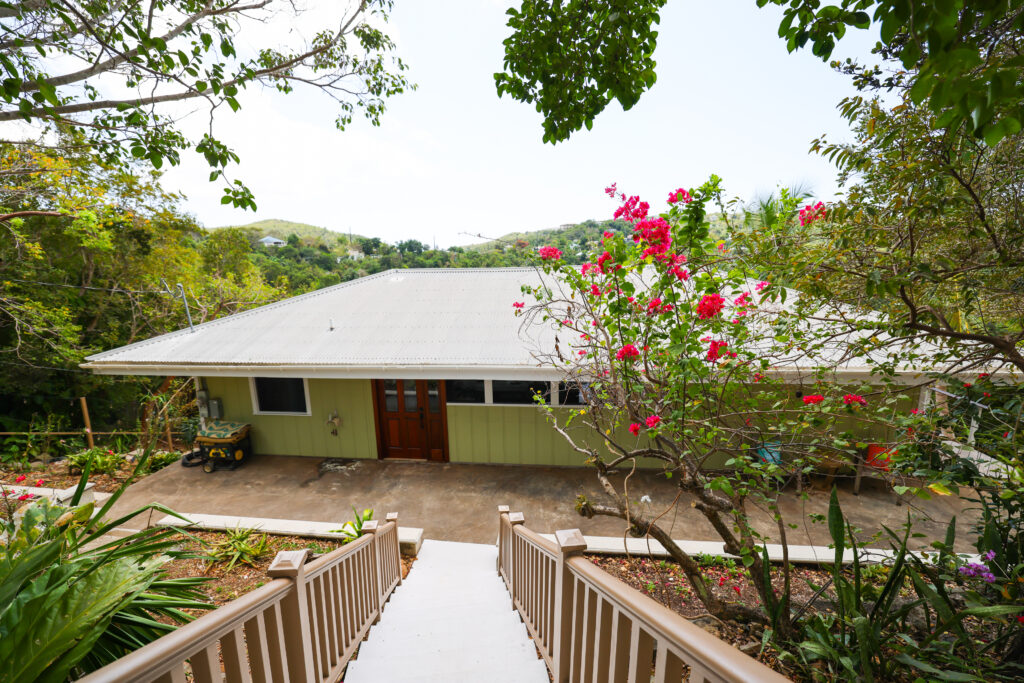
St. John appeals to a specific buyer profile—those who prioritize natural preservation, privacy, and distinctive island character over convenience and accessibility. The island rewards buyers who value what it offers uniquely while accepting what it deliberately limits.
Ideal St. John homeowners typically include:
- Nature-focused luxury buyers who appreciate that 60% of the island is protected National Park land and want to live within a preserved ecosystem
- Privacy seekers willing to pay premium prices for limited inventory and low-density development
- Experienced island visitors who have spent meaningful time on St. John and understand its infrastructure limitations, including ferry dependency, limited shopping, and distance from major medical facilities
- Remote workers and flexible professionals who can manage careers from a location that requires ferry travel for most off-island needs
- Vacation rental investors targeting the high-end market, as St. John commands premium nightly rates and attracts affluent travelers
- Second-home owners who visit regularly but maintain primary residences elsewhere, accepting higher operational costs for limited-use properties
- Environmentally conscious buyers drawn to off-grid capabilities, solar installations, and sustainable living within a protected landscape
St. John is generally not ideal for:
- First-time island buyers who haven’t experienced the reality of ferry-dependent living
- Families requiring immediate access to diverse educational options or specialized medical care
- Buyers seeking walkable town living with abundant restaurants, shopping, and entertainment
- Those prioritizing cost efficiency over exclusivity and natural preservation
- Anyone uncomfortable with infrastructure limitations, occasional supply shortages, and premium pricing across nearly all goods and services
The most satisfied St. John homeowners are those who choose the island specifically for what it is—limited, protected, and intentionally different—rather than those seeking generic Caribbean luxury with full mainland-style conveniences. Understanding this distinction before purchasing typically determines long-term ownership satisfaction.
Ready to explore USVI real estate with experienced guidance? Holiday Homes of St. John has served the island for over 60 years, providing the local expertise and global marketing reach that transforms island property searches into successful long-term investments. Contact us to begin your journey toward Caribbean property ownership with clarity and confidence.